How Urgent Care Treats Common Respiratory Illnesses
The respiratory system functions as a complex network essential for delivering oxygen to the body and expelling carbon dioxide. It includes structures such as the nasal passages, trachea, lungs, and alveoli, where vital oxygen passes smoothly into the bloodstream. This system remains vulnerable to many illnesses due to its constant exposure to environmental pollutants and microscopic pathogens. Infections or internal imbalances can trigger a cascade of health issues, underscoring the absolute need for timely medical intervention. A resilient respiratory system ensures the body receives the necessary oxygen for cellular functions. Any disruption in this delicate process, whether through acute infection or chronic illness, can significantly affect human health and well-being. Understanding how to address these ailments leads directly into the methodologies used to evaluate and resolve common respiratory conditions.
Recognizing Symptoms Indicative of Underlying Respiratory Issues
Respiratory conditions encompass a wide range of ailments, from mild seasonal colds to severe bouts of pneumonia. Common indicators include persistent coughing, difficulty breathing, wheezing, and sharp chest pain. These illnesses often share symptoms but stem from vastly different causes, necessitating accurate medical diagnosis. Shortness of breath during physical activity or even at rest can signal a more severe respiratory condition like asthma or chronic obstructive pulmonary disease. In acute situations, symptoms may escalate rapidly over one or two days, requiring immediate medical attention. Clinicians assess symptoms based on their duration, intensity, and accompanying signs such as fever or extreme fatigue. Prompt evaluation of symptoms remains essential to prevent dangerous complications and initiate appropriate therapeutic measures.
Identifying Root Causes of Frequent Respiratory Illnesses
Respiratory illnesses can significantly disrupt daily routines and arise from both infectious and non-infectious origins. Viral and bacterial infections stand as the most prevalent triggers, frequently resulting in frustrating colds, influenza, and severe lung infections. Furthermore, environmental factors - airborne pollution, allergens, and smoking - play a substantial role in developing chronic respiratory conditions over time. Seasonal temperature fluctuations can also affect human immunity, increasing the incidence of these conditions during colder months. Additionally, occupational hazards, such as exposure to fine dust and industrial chemicals, can exacerbate pre-existing respiratory conditions. Healthcare systems must provide comprehensive support to mitigate these impacts while devising preventive strategies and personalized treatment regimens that address the specific causes affecting each patient.
Choosing Urgent Care Over Other Medical Services
Urgent care facilities offer a unique blend of accessibility and efficiency in treating respiratory illnesses. Unlike traditional healthcare settings, they provide extended operating hours, including weekends and holidays, proving invaluable for individuals requiring prompt medical attention. These centers fill a critical gap between primary physicians and hospital emergency rooms, delivering timely interventions without the need for strict appointments. For many people, the convenience of walk-in clinics combined with significantly shorter wait times makes this option highly appealing. Patients greatly appreciate the comprehensive medical approach, which includes professional diagnostics and immediate relief strategies completed in one efficient visit. This approach optimizes regional healthcare resources and ensures patients receive the appropriate level of care for their specific conditions.
Exploring Primary Services Offered by Our Local Clinic
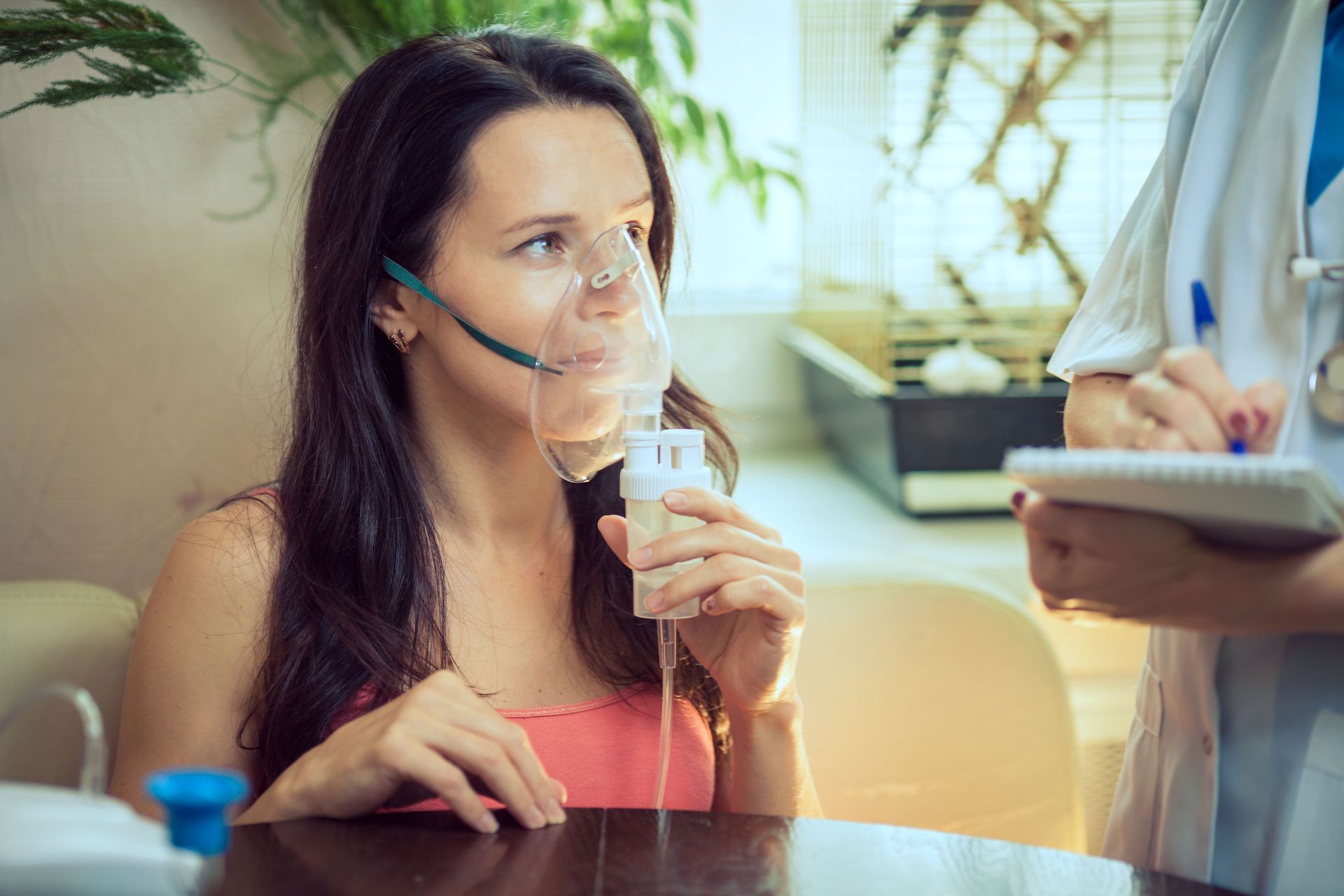
We provide a comprehensive range of medical solutions tailored toward diagnosing and managing various respiratory illnesses in our community. Our primary focus remains on delivering high-quality results without requiring long hospital wait times. The primary services we offer include urgent care and on-site diagnostics, ensuring quick identification of conditions like bronchitis or pneumonia. Families also benefit greatly from our primary and family care, allowing for continuous health monitoring across all ages. Furthermore, we proudly offer urgent care for kids to address pediatric respiratory distress quickly and compassionately. Patients who prefer remote consultations can also easily access virtual care from a local doctor. Such centers are fully equipped to manage mild to moderate respiratory issues with necessary interventions like nebulizer treatments, ensuring that patients always receive timely relief.
Promoting Preventive Healthcare and Patient Education Initiatives
In addition to immediate medical interventions, urgent care clinics focus heavily on vital preventive healthcare strategies. Offering seasonal flu shots and other respiratory vaccinations highlights their important role in overall community health promotion. According to Mordor Intelligence, vaccination and preventive services for urgent care are forecast to expand at a 6.86% CAGR through 2031, which clearly emphasizes their growing public importance. By promoting these necessary preventative steps, clinics contribute significantly to reducing the incidence and severity of respiratory diseases. Patient education remains an integral aspect of these services, empowering individuals with knowledge and guiding them toward proactive disease management. Healthcare professionals actively engage patients in deeply understanding their unique conditions and managing daily symptoms.
Ensuring Cost-Effectiveness and Wide Community Accessibility
Cost-effectiveness stands out as a defining feature of urgent care, offering transparent pricing and significantly lower fees compared to emergency hospital departments. This affordability makes these health centers easily accessible to a much broader demographic, including uninsured or underinsured individuals across the region. Patients can anticipate a standard fee schedule for clinical visits, diagnostic tests, and necessary treatments, which ultimately aids in household financial planning. Geographically, these clinics typically occupy strategic locations in local communities, ensuring easy reach and everyday convenience. Physicians and healthcare staff receive rigorous training to deliver efficient care, minimizing frustrating wait times and expediting the healing process. This widespread accessibility and high convenience are especially beneficial for those with non-emergency respiratory conditions that require prompt attention.
Addressing Limitations of Care for Severe Conditions
While urgent care centers effectively manage a wide array of respiratory conditions, they might not be completely suited for extreme cases such as acute respiratory distress syndrome. These complex medical cases demand intensive monitoring, highly invasive procedures, and potentially extensive hospitalization, which are exclusively available in traditional hospital settings. Walk-in facilities can rapidly initiate preliminary treatment but often need to refer these critical patients to emergency departments for comprehensive, life-saving care. Recognizing these practical limitations is absolutely crucial in ensuring that patients always receive the most appropriate medical interventions available through a clear and safe medical referral pathway. Multi-disciplinary teams available in large regional hospitals deliver integrated care for complex, life-threatening respiratory illnesses when standard clinic resources are insufficient.
Assessing Patients Thoroughly During Initial Clinical Visits
Diagnosing respiratory illnesses at a walk-in clinic begins directly with a thorough initial assessment and an extensive patient history review. Practitioners carefully gather detailed information about apparent symptoms, overall illness duration, and any pre-existing health conditions or unknown allergies. This vital data proves crucial in forming a composite picture of the patient's current health status and helps tailor the physical examination approach. Understanding previous respiratory issues or medication responses offers unique insights into potential chronic conditions or recurring seasonal infections. The initial assessment often comprehensively covers recent travel history, daily smoking habits, and potential exposure to harmful indoor allergens. Streamlined evaluations enable personnel to triage individuals based on medical urgency, ensuring that everyone receives attention in a safe and structured manner.
Applying Effective Diagnostic Tools and Medical Tests
Medical facilities employ a diverse array of professional diagnostic tools to comprehend and identify respiratory illnesses accurately. Point-of-care testing involves using modern pulse oximetry to assess oxygen saturation levels, providing an immediate glimpse into the severity of the respiratory condition. When evaluating and treating patients, medical staff frequently use a combination of strategic approaches to gather clear and actionable health data. They carefully evaluate complete blood profiles to check essential cell counts, conduct rapid antigen tests for common viruses, and measure exact airflow capacities with advanced lung spirometry. Employing these vital diagnostic tools effectively aids practitioners in delineating precisely between viral and bacterial respiratory infections. The application of diverse diagnostic methodologies underscores the strong commitment of urgent care facilities to delivering responsive medical care.
Proactive symptom management and timely medical intervention remain absolutely vital for maintaining a strong and healthy respiratory system. If you or a loved one experience persistent coughing, wheezing, or unexplainable shortness of breath, seeking prompt professional attention can drastically prevent complications and speed up the natural recovery process. Understanding your symptoms and knowing exactly where to go for immediate assistance ensures you receive the most appropriate and effective interventions. At Family Medical Center at Lakeline, we are completely dedicated to supporting your physical well-being through comprehensive and compassionate services. By focusing on precise diagnostics and personalized plans, we help our community breathe easier every day. Visit us today to experience quality medical support that firmly puts your personal health and total comfort first.



Share On: