
When to Choose Urgent Care Over the Emergency Room
Navigating sudden health concerns often creates significant confusion regarding where to seek appropriate medical assistance. Deciding between different healthcare settings can substantially impact your waiting period, financial expenses, and overall recovery experience. Knowing how to evaluate personal symptoms accurately allows individuals and families to make efficient decisions during stressful moments. Immediate walk-in facilities and hospital emergency departments provide vital medical assistance, yet their intended purposes differ substantially based on clinical severity, equipment, and staff specialization. Understanding these key distinctions helps patients receive appropriate treatment without causing unnecessary delays for critical emergency services. By learning the capabilities and boundaries of each healthcare option, you can confidently select the proper medical environment for your specific situation.
Assessing Common Ailments and Minor Injuries
When unexpected ailments arise, determining the underlying severity of symptoms helps guide the decision-making process toward the most suitable treatment facility. Minor illnesses such as mild asthma flare-ups, flu symptoms, sinus infections, seasonal allergies, earaches, and small cuts requiring simple stitches fit perfectly within the scope of community walk-in clinics. These facilities maintain medical staff trained to evaluate and manage non-life-threatening issues swiftly and effectively. Choosing urgent care for these manageable conditions ensures prompt professional attention without enduring the lengthy delays often encountered in busy hospital waiting areas.
Seeking assistance at walk-in clinics allows patients to receive rapid diagnostic evaluation and compassionate medical care. Healthcare providers in these settings can conduct thorough physical exams, perform wound cleansing, apply protective splints, and prescribe necessary medications in an efficient manner. Addressing minor health concerns in this dedicated environment reduces personal stress while keeping hospital emergency staff available to handle life-threatening medical crises. Utilizing urgent care during sudden non-emergency health events provides rapid relief, convenience, and quality attention for patients of all ages.
Identifying Critical Symptoms and Severe Conditions
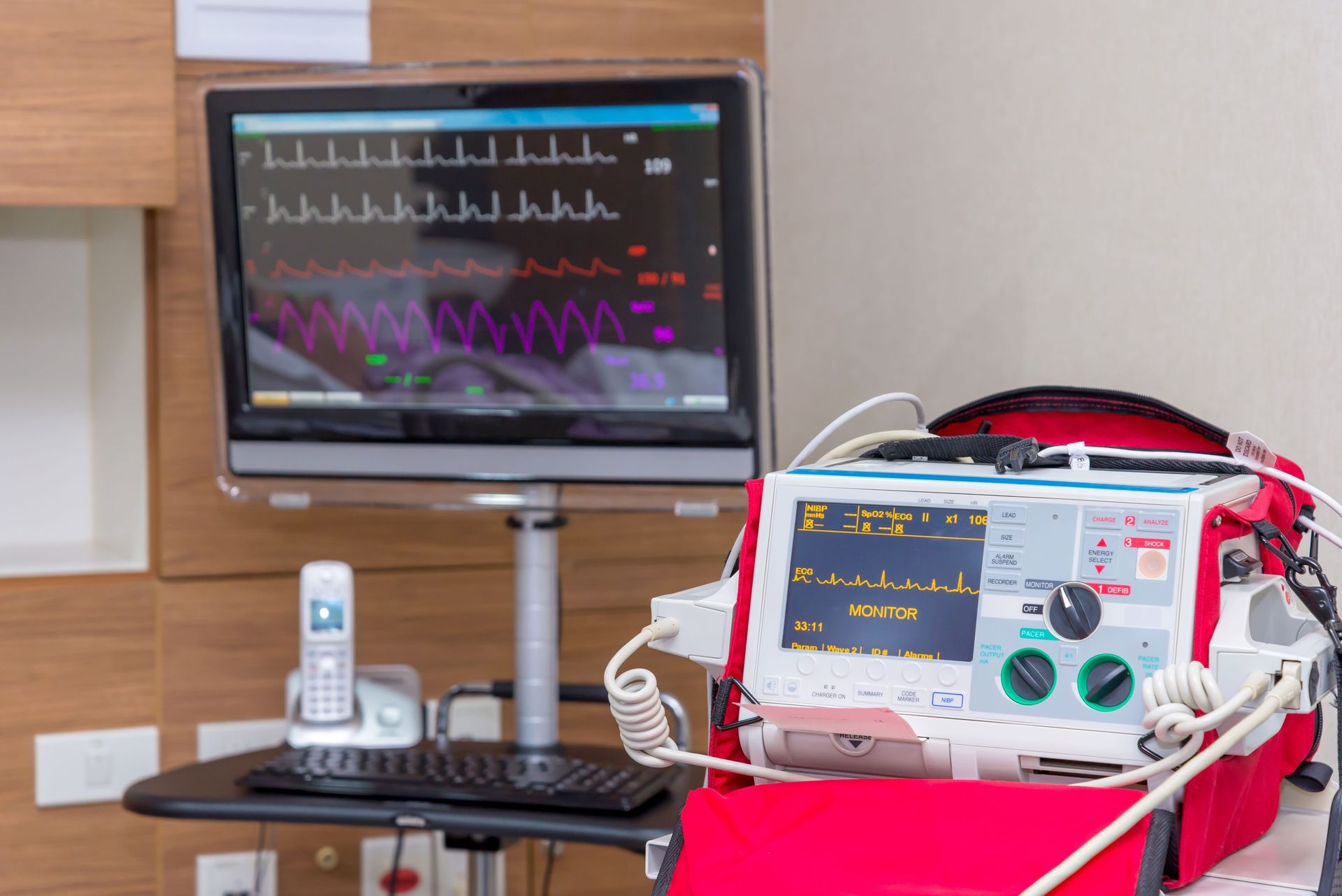
Severe medical issues require immediate high-level intervention at a dedicated hospital emergency department equipped with advanced life support technology. Chest pain, sudden weakness or numbness, severe head trauma, uncontrollable bleeding, continuous vomiting, and profound difficulty breathing represent major medical emergencies that require comprehensive diagnostic capabilities. Hospital facilities maintain intensive monitoring equipment, specialized surgical suites, and trauma specialists available around the clock to manage life-threatening instability. Attempting to manage major medical emergencies outside a full-scale hospital setting can lead to dangerous delays in receiving vital lifesaving interventions.
Understanding when symptoms escalate beyond simple clinic management protects patient safety during acute health events. Conditions involving severe allergic reactions, sudden mental confusion, suspected poisoning, or major bone displacement belong exclusively in hospital emergency settings. Emergency departments possess the complex infrastructure necessary to stabilize critically ill individuals, perform emergency operations, and coordinate immediate hospital admissions. Recognizing these distinct clinical capabilities ensures that patients suffering from severe health threats receive comprehensive lifesaving interventions without delay.
Comparing Visit Durations and Financial Costs
Financial considerations and time efficiency heavily influence where individuals choose to seek treatment during sudden health events. Emergency departments operate using specialized triage protocols, meaning patients with minor non-critical issues face extensive waits while medical staff prioritize critically ill or injured individuals. Walk-in facilities generally operate on a streamlined workflow, allowing visitors to consult with healthcare professionals much faster. Choosing urgent care for non-critical ailments usually results in shorter overall waiting periods and a significantly faster overall visit duration.
The overall cost structure of medical facilities also varies considerably depending on the level of specialized care provided. Hospital visits incur high facility fees due to advanced technology maintenance, specialized trauma staffing, and continuous operational readiness, resulting in substantial financial bills. Walk-in centers offer transparent pricing models and lower copayments for routine non-emergency treatments. Selecting urgent care when appropriate provides significant cost savings while still delivering high-quality medical evaluation, diagnostic testing, and effective treatments.
Navigating Diagnostic Capabilities and Onsite Services
Understanding the diagnostic equipment available at different medical facilities helps patients choose the appropriate location for their symptoms. Walk-in medical centers feature modern diagnostic equipment capable of identifying common medical issues quickly. On-site laboratory testing, digital X-ray technology, and rapid infection screening allow medical providers to diagnose illnesses without requiring hospital visits. Choosing urgent care when you require basic blood testing, urinalysis, or simple bone evaluation ensures comprehensive diagnostic support in a comfortable setting.
While walk-in facilities offer versatile diagnostic tools, hospital departments possess advanced imaging technology such as computed tomography scans, magnetic resonance imaging, and specialized ultrasound equipment. These advanced diagnostic tools are essential for evaluating complex internal injuries, severe abdominal pain, or suspected neurological events. Knowing which level of diagnostic technology your condition requires prevents unnecessary facility transfers and ensures timely medical management. Matching your symptom severity with the appropriate diagnostic capabilities optimizes your overall medical experience.
Maintaining Long-Term Wellness Through Preventive Visits
While immediate treatment facilities address sudden health disruptions, maintaining continuous relationships with medical providers remains essential for long-term wellness. Routine physical examinations allow healthcare professionals to monitor vital health trends, manage chronic conditions, and detect subtle physiological changes before major problems develop. According to Healthline, routine checkups are typically recommended every 1 to 3 years for adults under 45 in good health, and once a year after turning 45. Establishing regular medical support ensures comprehensive oversight that walk-in clinics cannot fully replace.
Integrating routine medical checkups with accessible walk-in services creates a well-rounded healthcare management strategy for individuals and families. Preventive care visits help identify potential health risk factors early, reducing the likelihood of sudden medical crises that require emergency intervention. When minor health issues or unexpected injuries occur between scheduled physical exams, walk-in options offer convenient supplemental support. Utilizing both routine preventive care and immediate treatment centers creates a comprehensive safety net for lifelong health management.
Preparing Proper Plans for Family Healthcare Needs
Developing a clear understanding of local medical resources empowers families to handle health disruptions calmly and effectively. Researching the location, operating hours, and specific services of nearby clinics prepares individuals for unexpected health issues before they occur. Walk-in medical centers frequently extend operational hours into late evenings and weekends, offering accessible support when traditional medical offices remain closed. Utilizing urgent care for non-life-threatening injuries provides flexible healthcare solutions that accommodate busy work and family schedules.
Selecting the proper medical setting requires quick reflection on the nature of current symptoms and overall personal health status. When symptoms cause minor discomfort or manageable pain without immediate systemic danger, walk-in centers offer the ideal solution for fast recovery. Conversely, any suspicion of severe organ involvement or progressive physical collapse demands immediate hospital evaluation. Recognizing these healthcare boundaries ensures efficient medical treatment while supporting overall community health resources.
Navigating sudden health concerns becomes straightforward when you understand the distinct roles and capabilities of different medical settings. Selecting walk-in centers for minor injuries and manageable illnesses ensures rapid treatment while saving valuable time and financial resources. Meanwhile, reserving hospital emergency departments for severe, life-threatening conditions preserves critical resources for individuals in dire need. Combining routine preventive medical care with accessible immediate treatment facilities forms the cornerstone of smart personal health management. When faced with minor health disruptions or seeking professional medical evaluation, choosing urgent care offers effective, efficient, and compassionate support for your recovery. For comprehensive ongoing support and reliable medical evaluation, contact Family Medical Center at Lakeline. We look forward to finding the best way to assist you or your loved one.



Share On: